


The automotive service industry is undergoing a significant transformation driven by rapid advancements in vehicle technology and rising customer expectations. With the increasing adoption of electric and hybrid vehicles, along with the evolution of advanced driver assistance systems (ADAS), traditional workshops can no longer meet modern maintenance demands using conventional methods.
Today, advanced service centers rely on innovative technologies not only to diagnose vehicle faults but also to improve service quality, reduce repair time, enhance operational efficiency, and maintain the highest standards of workplace safety. Investing in modern technologies has become a key factor in staying competitive and delivering reliable automotive services.
Why Have Service Center Requirements Changed?
Modern vehicles have become increasingly sophisticated, incorporating advanced electronic control units (ECUs), intelligent sensors, complex software systems, electric drivetrains, and ADAS technologies.
As a result, vehicle maintenance now requires specialized equipment, advanced diagnostic software, and highly trained technicians capable of working with today's automotive technologies. This shift has transformed traditional workshops into fully integrated service centers powered by technology.
From Traditional Workshops to Smart Service Centers
In the past, vehicle maintenance relied heavily on technicians' experience and manual inspections. Today, technology supports every stage of the service process—from vehicle reception and diagnostics to repair, reporting, and customer delivery.
Modern workshops utilize intelligent diagnostic equipment, workshop management systems, and advanced service tools to reduce errors, accelerate repairs, improve workflow, and deliver a superior customer experience.
Technologies Reshaping Modern Automotive Service Centers
Smart Diagnostic Systems
Modern diagnostic equipment has evolved far beyond simply reading fault codes. Today's systems analyze live vehicle data, support ECU programming and coding, assist with system calibration, and provide highly accurate fault detection. These capabilities significantly reduce diagnostic time while improving repair accuracy and service quality.
Advanced Workshop Equipment
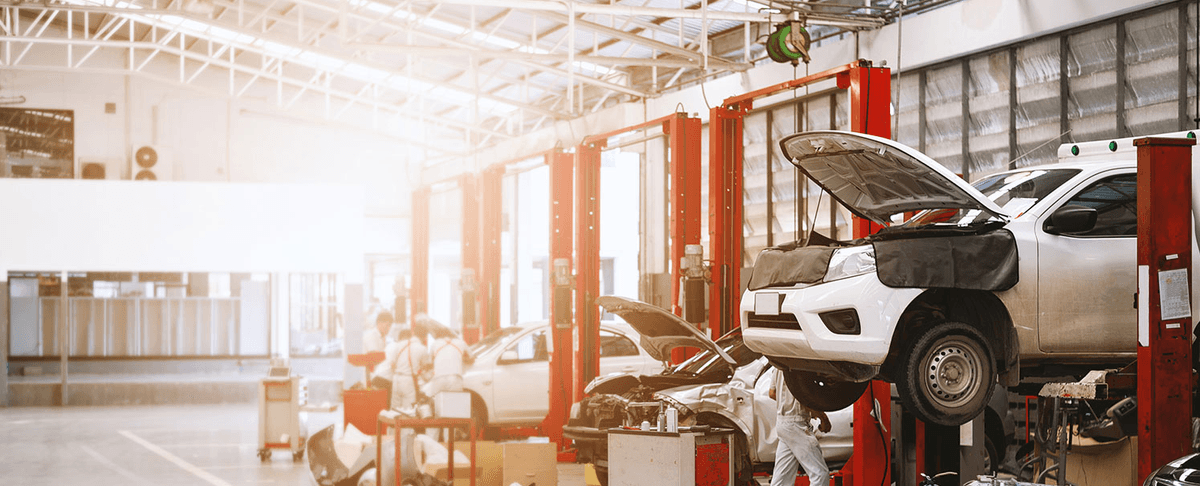
Professional workshops depend on high-performance equipment such as vehicle lifts, wheel alignment systems, tire changers, wheel balancers, and battery testing equipment. These technologies improve precision, increase productivity, and help technicians perform maintenance according to international standards.
Electric Vehicle Service Equipment
As electric vehicles continue to grow in popularity, service centers must invest in specialized EV equipment, including battery testing systems, high-voltage safety tools, dedicated service areas, EV-compatible diagnostic equipment, and charging infrastructure. Preparing for electric mobility is now an essential investment for future-ready workshops.
Workshop Safety Systems
Occupational safety has become a fundamental part of modern workshop design. Exhaust extraction systems, ventilation solutions, personal protective equipment, and electrical safety measures help create a safer working environment while improving operational efficiency and regulatory compliance.
Workspace Organization
A well-designed workshop layout directly impacts productivity. Professional workshop furniture, smart storage systems, and optimized equipment placement improve technician movement, reduce wasted time, and create a more organized and efficient working environment.
Traditional Workshops vs. Modern Service Centers
| Feature | Traditional Workshops | Modern Service Centers |
|---|---|---|
| Diagnostics | Manual inspection and technician experience | Smart diagnostic equipment and digital systems |
| Equipment | Limited conventional tools | Advanced professional workshop equipment |
| Repair Speed | Longer diagnostic and repair time | Faster diagnostics and higher efficiency |
| Workspace Organization | Basic workspace organization | Optimized layouts and smart storage systems |
| Vehicle Coverage | Conventional vehicles only | Conventional, hybrid, and electric vehicles |
| Operations | Manual processes | Digital workshop management and reporting |
Technology Is No Longer Optional
Investing in advanced technologies is no longer considered a luxury—it has become a business necessity. Service centers equipped with modern solutions achieve greater operational efficiency, minimize errors, improve customer satisfaction, and remain prepared for the future of the automotive industry.
How Can Service Centers Keep Up?
Keeping pace with industry advancements requires a comprehensive approach that includes professional workshop design, selecting the right equipment, creating an efficient workspace, investing in technician training, and adopting the latest diagnostic and maintenance technologies.
At El Garage, we provide integrated workshop solutions that support every stage of this transformation—from workshop design and equipment supply to EV workshop preparation, safety systems, workshop furniture, technical training, and ongoing support.
The future of automotive service centers lies in embracing advanced technologies that improve service quality, increase productivity, and ensure safer working environments. As vehicle technology continues to evolve, smart service centers will be better positioned to meet customer expectations, remain competitive, and achieve sustainable long-term growth.